Pumpkin Celebration With Hazel
Reviews
Pumpkin Celebration With Hazel offers a calm, engaging introduction to goal-oriented play for toddlers and preschoolers. The decorating and cooking tasks are intuitive, requiring only clicks or taps. Bright visuals and friendly characters maintain interest without overstimulation. The absence of timers or scores reduces anxiety, allowing children to focus on helping the characters. While the linear structure limits replay value, the game succeeds as a short, positive experience that reinforces teamwork and following instructions. It is a solid choice for parents seeking screen time that encourages gentle interaction.
Description
Festive Preparation Tasks
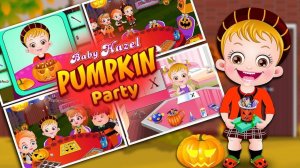
Players guide Hazel through a series of party planning activities. The first step involves setting up the party area with colorful decorations. Children click on various items to place them around the room, learning basic cause and effect as they go. Each completed task adds a new element to the scene, building anticipation for the main event.
Simple Cooking Activities
The game includes a straightforward cooking segment where players help prepare snacks for the guests. By following on-screen prompts, children select ingredients and combine them to create simple treats. This part of the game introduces basic sequencing and following directions in a low-pressure environment.
Cooperative Play Elements
Throughout the experience, Hazel works alongside her friend Jasmine. Players take turns helping each character with different responsibilities, reinforcing the value of teamwork. The interactions are designed to be gentle and encouraging, with no competitive elements that might cause frustration.
Visual Design and Controls
The graphics use bright, warm colors and simple shapes that appeal to young children. Characters have friendly expressions and smooth animations. Controls are limited to clicking or tapping, making the game accessible even for toddlers. There are no complex menus or text-heavy instructions.
Pacing and Accessibility
There are no timers or scoring systems, allowing children to progress at their own speed. Each activity can be repeated if desired, which helps reinforce learning through repetition. The game structure is linear, guiding players from one task to the next without overwhelming choices.