Post-Apocalyptic Fortress Defense
Reviews
Post-Apocalyptic Fortress Defense stands out for its balanced difficulty and clear progression. The wave system keeps each level feeling fresh, and the upgrade paths offer meaningful choices without overwhelming players. Visuals effectively communicate the grim setting, and the interface remains intuitive throughout. While it doesn't break new ground for the genre, it executes familiar ideas with polish and respect for the player's time. A solid choice for strategy fans looking for a focused experience.
Description
Fortress Management Basics
Players oversee a central structure that must withstand repeated assaults. The game focuses on allocating limited resources to build and improve defensive units. Each unit serves a specific purpose, such as slowing down groups or dealing concentrated damage to tougher enemies. Success depends on reading the composition of incoming forces and responding with the right mix of placements.
Wave Composition and Adaptation
Enemy groups vary in speed, resilience, and behavior. Some rush forward in large numbers, while others move slowly but absorb more punishment. Players must observe patterns and shift their defensive layout between rounds. This creates a puzzle-like layer where foresight and flexibility matter as much as raw power.
Upgrade Paths and Resource Flow
Resources earned from completed waves allow players to enhance existing units or unlock new options. Upgrades can improve range, damage output, or special effects. Deciding whether to invest in a few strong units or a broad network of smaller ones is a constant trade-off. The system encourages experimentation without punishing mistakes too harshly.
Atmosphere and Visual Style
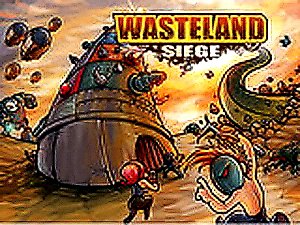
The setting draws from a barren landscape with ruined structures and muted colors. This backdrop reinforces the sense of isolation and urgency. Animations are clear enough to track action, and the interface keeps critical information visible without clutter. The overall presentation supports the strategic focus rather than distracting from it.
Learning Curve and Replay Value
Early levels introduce core mechanics gradually, allowing new players to build confidence. Later stages introduce more complex enemy formations and environmental hazards. Because each playthrough can follow different upgrade priorities, the game offers reasons to return and try alternative approaches. The difficulty scales in a way that feels fair but demanding.