Ancient Tile Sorting Challenge
Reviews
Ancient Tile Sorting Challenge offers a polished take on the classic block-clearing formula. The Egyptian theme adds visual charm without distracting from the core gameplay. Controls are responsive on all devices, and the gradual difficulty increase keeps sessions engaging. It is a solid choice for puzzle fans seeking a free, no-download experience that respects their time and intelligence.
Description
Tile Placement Mechanics
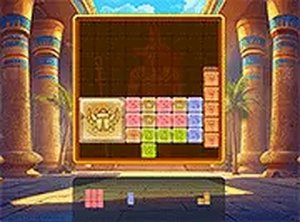
At the heart of this game lies a straightforward but engaging system. Players receive a series of tiles, each with a specific shape and size, and must position them on a rectangular grid. The goal is to fill entire horizontal lines, which then vanish and create room for additional pieces. This cycle of placement and removal forms the core loop, demanding both foresight and adaptability.
Visual and Thematic Design
The game adopts an ancient Egyptian aesthetic, with temple ruins and hieroglyphic-inspired visuals adorning the board. This thematic choice sets it apart from many abstract puzzle games, providing a sense of atmosphere without overwhelming the player. The color palette is warm and inviting, contributing to a relaxed yet focused gameplay experience.
Accessibility and Controls
Controls are designed for simplicity. On desktop, players use a mouse to drag tiles into position, while on mobile devices, touch input works smoothly. The interface is clean, with clear indicators for where a tile will land. This ease of use ensures that players of all ages can pick up the game quickly, without needing to consult lengthy tutorials.
Progression and Difficulty Curve
As play continues, the pace gradually increases. Early rounds allow for ample planning, but later stages introduce faster tile drops and more complex shapes. This gentle escalation keeps the experience challenging without becoming frustrating. Players must balance speed with accuracy, making each session a test of both reflexes and strategic thinking.
Strategic Approaches for Success
Effective players learn to anticipate upcoming tiles and plan several moves ahead. Keeping the board as clear as possible is essential, as large tiles can quickly block available space. Using larger pieces to fill gaps in nearly complete rows is a common tactic. Regular practice helps improve pattern recognition and decision-making speed.