Leap Frog Tile Navigation
Reviews
Leap Frog Tile Navigation stands out in the puzzle genre by blending careful planning with real-time decision making. The core mechanic of hopping between tiles is simple to grasp, but the introduction of moving obstacles and the crocodile creates layers of strategy. The tongue ability is a nice touch, allowing for creative solutions. The difficulty curve is well-paced, and the cheerful visuals make it a pleasant experience for players of all ages. A solid choice for anyone who enjoys thoughtful puzzle games.
Description
Core Puzzle Concept
Leap Frog Tile Navigation presents players with a grid of tiles where a small frog must travel from a starting point to a designated goal flag. The challenge lies in the dynamic nature of the environment: some tiles may shift, disappear, or become unsafe if the player lingers too long. The frog can only move by hopping to adjacent tiles, and each hop must be timed to avoid falling into gaps or water. This creates a puzzle where planning several moves ahead is essential.
Obstacle Design and Tension
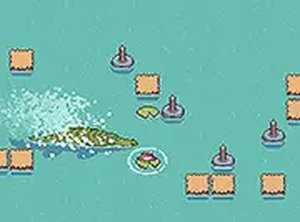
Levels introduce various obstacles that increase the difficulty gradually. Water tiles are permanent hazards that end the attempt if the frog lands on them. A pursuing crocodile patrols certain paths, forcing players to keep moving and choose routes that avoid its path. The crocodile moves in predictable patterns, so observation and memory play a role in navigating safely. These elements add a light sense of urgency without being overwhelming, making the game suitable for all ages.
Special Abilities and Interactions
The frog has a stretchy tongue that can be used to interact with distant objects or grab items. This ability allows players to reach tiles that are not directly adjacent, opening up alternative routes and solutions. The tongue can also be used to pull levers or activate switches that change the layout of tiles. This mechanic adds a strategic layer, as players must decide when to use the tongue versus making a standard hop.
Visual Style and Atmosphere
The game features colorful, cartoon-like graphics with a cheerful art style. The frog character is expressive and animated, with simple but charming movements. The backgrounds are bright and varied, changing with each new set of levels. The overall presentation is clean and uncluttered, helping players focus on the puzzle at hand. The sound effects are minimal but effective, providing feedback for successful moves and warnings for hazards.
Progression and Difficulty Curve
Early levels serve as a tutorial, introducing basic mechanics like hopping and avoiding water. As players advance, new obstacles and interactions are introduced, such as moving platforms, timed switches, and the crocodile. The difficulty increases steadily, requiring more precise timing and longer route planning. Later levels may combine multiple hazards, testing both memory and reflexes. This gradual ramp ensures that players of different skill levels can find an appropriate challenge.
Controls and Accessibility
The game is designed for desktop play, using either keyboard arrow keys or mouse clicks to control the frog's movement. The controls are responsive and intuitive, allowing players to focus on puzzle solving rather than complex inputs. A full-screen mode is available for a more immersive experience. The interface is simple, with clear indicators for the goal and hazards, making it easy for new players to understand the objective quickly.