Current Path Logic

Reviews
Current Path Logic offers a focused puzzle experience built around a simple click-to-remove mechanic. The gradual difficulty curve and unique level layouts keep the game engaging, while the clean visuals and responsive feedback make it easy to understand. It rewards patience and forward thinking, though the lack of an undo option may frustrate some. Best suited for players who enjoy logic puzzles and strategic planning.
Description
The Core Circuit Mechanic
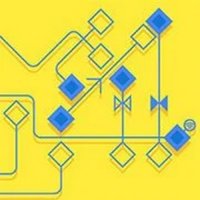
In Current Path Logic, the objective is straightforward: connect a power source to a lightbulb by removing blocks that obstruct the path. Each level presents a grid filled with various blocks. Clicking a block removes it, but every removal changes the circuit. A single wrong move can break the connection, forcing a restart. This creates a puzzle where predicting the outcome of each click is as important as the click itself.
Progression and Puzzle Complexity
Early levels introduce the basic concept with simple layouts. As players advance, grids become more complex, introducing obstacles that require multiple removals or trigger chain reactions. The difficulty curve is gradual, allowing problem-solving skills to build over time. Each level features a unique arrangement, preventing repetition and keeping the experience engaging without overwhelming newcomers.
Visual Clarity and Feedback
Bright, colorful graphics make each puzzle visually appealing. The interface is clean and uncluttered, with clear indicators for the power source and lightbulb. Animations are smooth and responsive, providing satisfying feedback when a block is removed. The design prioritizes clarity, so players can easily see the circuit path and identify which blocks are removable. This visual approach makes the game accessible to players of all ages.
Strategic Planning and Replay Value
Success requires more than just clicking blocks. Players must analyze the entire layout before making their first move. Some blocks are connected to others, causing a cascade of removals. Understanding these potential chain reactions is key to solving harder puzzles. The game rewards patience and careful observation. Players who rush may find themselves stuck, while those who take time to plan often find elegant solutions. This strategic depth adds replay value, as players can revisit levels to find more efficient solutions.





Editorial Notes